Abtu
or Abitu: vestments worn by priest.
Source: Sicilian
Plural: Abti / Abiti

or Abitu: vestments worn by priest.
Source: Sicilian
Plural: Abti / Abiti
Ħwejjeġ li jilbes qassis taħt il-pjaneta biex iqaddes
Għamla ta’ maktur abjad li jilbes qassis waqt li jqaddes.
English: Amice.
English: A form of lace, generally used to decorate a priest’s alb.
Sors: Sqalli
Plural: Ċilizji
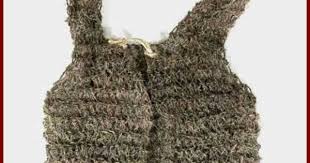
Cordon worn by a priest on his cassock at the waist like a belt.
Sors: Sqalli
Plural: Ċingli
Monk’s hood and cowl.
Sors: Sqalli
Plural: Ċoqqiet
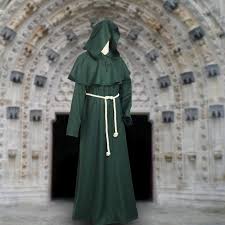
The dalmatic is a long wide-sleeved tunic, which serves as a liturgical vestment.
Source: Italian
Black mantle, cape without sleeves that used to be worn by priests.
Source: Sicilian
Plural: Friewel.
or Garżubla: Priest’s vestments, chasuble.
Type of small silk apron which in certain religious functions is places on a bishop’s lap. Gremial.
Source: Italian
Plural: grembjali
Calotte, zucchetto: a small, hemispherical, form-fitting ecclesiastical skullcap worn by clerics of various Catholic churches, the Syriac Orthodox Church, and by the higher clergy in Anglicanism.
Source: Italian
Plural: Kallotti
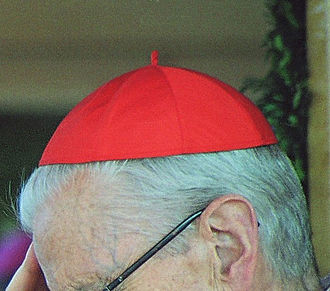
Camauro: (from the Latin camelaucum and from the Greek kamelauchion, meaning “camel skin hat”) is a cap traditionally worn by the Pope of the Catholic Church.
Source: Italian
Plural: Kamawri

A. White linen robe worn by priests. B. Any type of white overalls such as those worn by dentists, surgeons etc.
Source: Sicilian
Plural: Kamżi
cope (known in Latin as pluviale ‘rain coat’ or cappa ‘cape’) is a liturgical vestment, more precisely a long mantle or cloak, open in front and fastened at the breast with a band or clasp. It may be of any liturgical colour.
Source: Italian
Ref: ESI
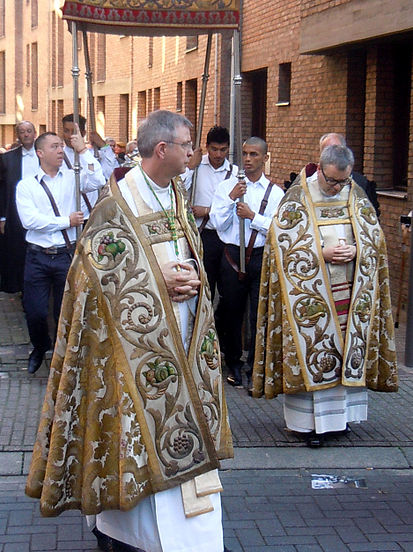
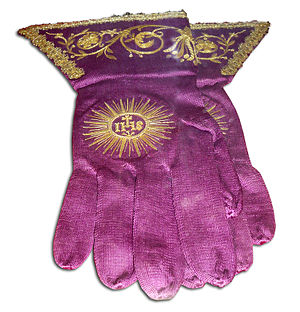
Episcopal gloves or Pontifical gloves (chirothecœ, called also at an earlier date manicœ, wanti) : a Roman Catholic pontifical vestment worn a by bishop when celebrating Solemn Pontifical Mass. They are worn from the beginning of the Mass until the offertory, when they are removed. They can be elaborately embroidered and generally match the liturgical color of the Mass. They are not worn for Good Friday or Requiem Masses. While normally reserved for bishops, other prelates entitled to use pontificals, including abbots, may also use them without a special papal privilege. The gloves are considered symbolic of purity, the performance of good works and carefulness in procedure.
Source: Italian
Ref: JA
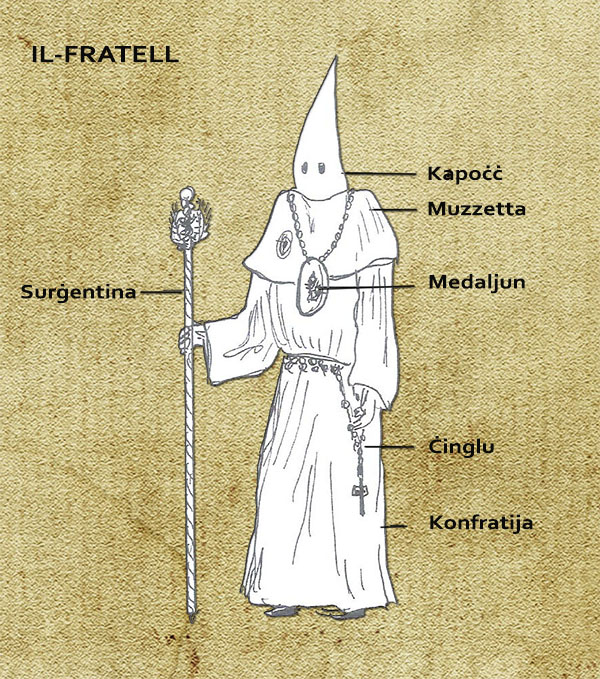
Robe worn by a member of a confraternity.
Plural: Konfratiji
A. Collar. B. Metal band for strengthening something or keeping it tight.
Source: Italian
Plural: Kullari
Girdle worn by a priest.
Source: Italian
ref: JA
Plural: Kurduni
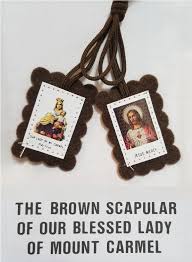
“devotional scapular” garment evolved from the monastic scapular. These may also be worn by individuals who are not members of a monastic order. The devotional scapular typically consists of two small (usually rectangular) pieces of cloth, wood or laminated paper, a few inches in size, which may bear religious images or text. These are joined by two bands of cloth and the wearer places one square on the chest, rests the bands one on each shoulder and lets the second square drop down the back.
Source: Sicilian
Plural: Lapti
A) a subdivision of a Roman legion, containing either 120 or 60 men. B) (in the Christian church) a vestment formerly worn by a priest celebrating the Eucharist, consisting of a strip hanging from the left arm.
Source: Italian
Plural: Manipli
Gown, cloak, habit.
Source: Italian
Plural: Mnatar